
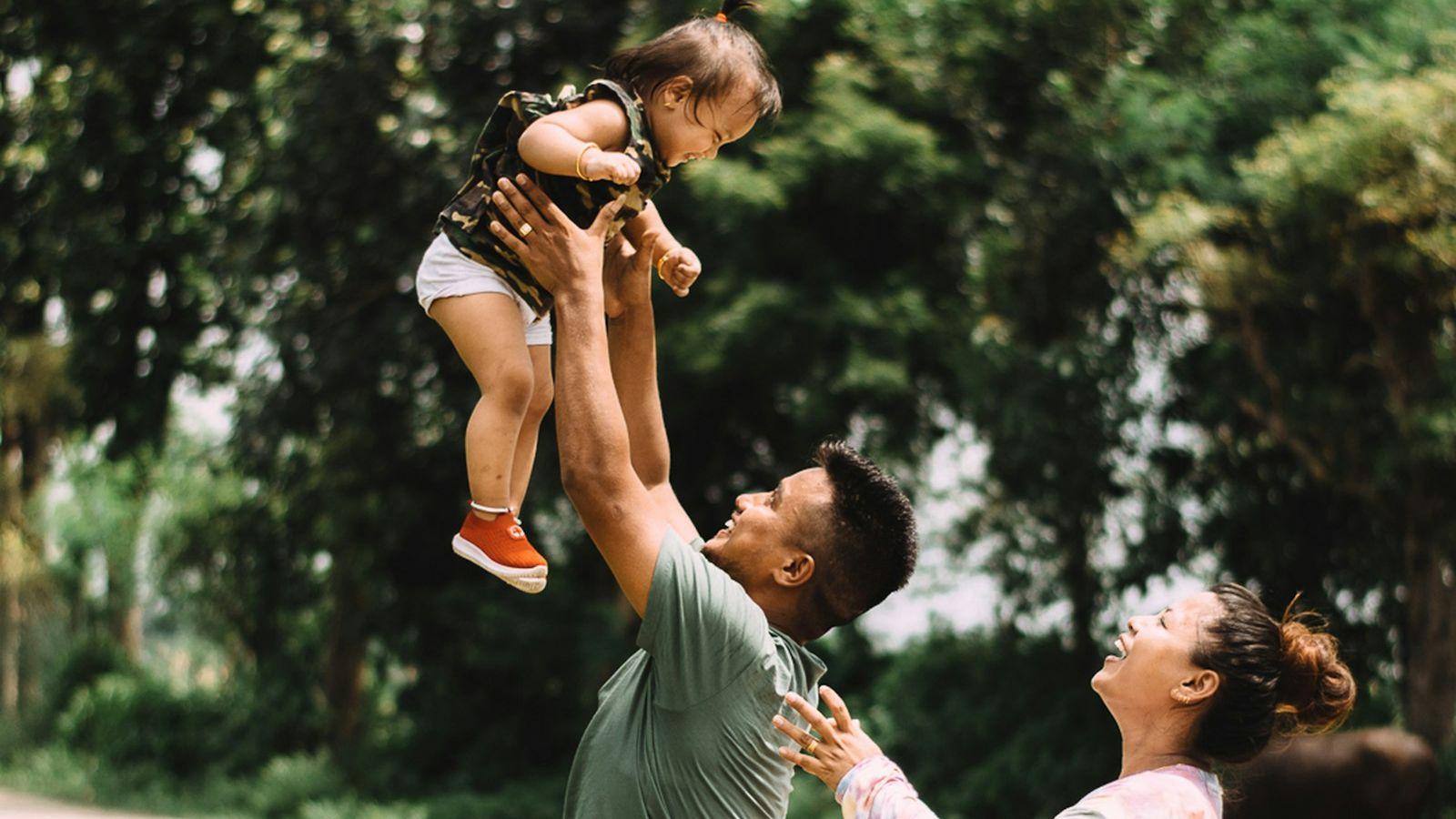
Hajuraama calls on video. She asks, "Khana khayau?" Your child smiles, understands every word, and answers, "Yeah, I ate." Hajuraama laughs, but you notice the pause before she replies.
Many Nepali parents in the U.S. know this moment. Children understand Nepali at home but answer in English, and over the years some stop speaking it at all. Nobody decided this should happen. English simply fills school, friends and screens, and Nepali loses ground a little at a time.
The good news is that Nepali language for kids isn't all or nothing. Small, steady habits make a real difference, and it's never too late to start.
What Nepali gives your child
Nepali connects your child to grandparents, cousins, songs, stories and festivals. It carries jokes, blessings and values that don't translate neatly. A child who can talk with relatives in their own language gains something hard to replace: the feeling of belonging to two places at once.
Growing up bilingual brings more than family connection:
- Real conversations, not just greetings. Relatives can share stories instead of only asking how school is.
- Pride in where they come from. Children who know their roots often feel more settled in who they are.
- A mind that switches easily. Moving between two languages is regular practice in flexible thinking.
- Something their friends can't do. Many children feel quietly proud of that.
Keeping Nepali alive at every age
Little ones (up to about age 7)
This is when a language soaks in most easily. Sing Nepali songs, tell bedtime stories in Nepali and name things around the house. Don't worry if they answer in English. Keep speaking Nepali and keep it warm.
School-age children (about 8 to 12)
Give Nepali a regular place in the week. Make dinner a Nepali-only table, or set a weekly video call with a grandparent where your child has something to report. This is also a good age to start reading and writing in Devanagari, which most children never pick up at home.
Teenagers
Teens push back on anything that feels like a rule. Give them a reason instead: helping plan a family trip to Nepal, chatting with cousins their age, or learning the meaning behind Dashain and Tihar rituals in Nepali. Correct gently. A teen who feels embarrassed will simply stop trying.
When Nepali classes for kids can help
Parents are busy, and many children listen to a teacher differently than they listen to a parent. A friendly one-to-one class gives your child regular practice, a patient listener and a safe place to make mistakes. Reading and writing in Nepali can also be taught step by step, from letters to full sentences.
Learning Nepali with Alloria
Alloria offers one-to-one Nepali language classes for children, taught online by teachers who speak both Nepali and English. That matters for beginners: when a child gets stuck, the teacher can explain in English, then bring them straight back to Nepali. We help children speak, read and write at their own pace, so they can connect with the people and culture that matter to your family.
Nepali language for kids growing up in the U.S. is a gift that grows with them. The best time to start is the next conversation.
Want to hear how your child sounds in Nepali? Book a free demo class and meet one of our teachers online. Book a free demo class or call +1 (720) 243-6452.